
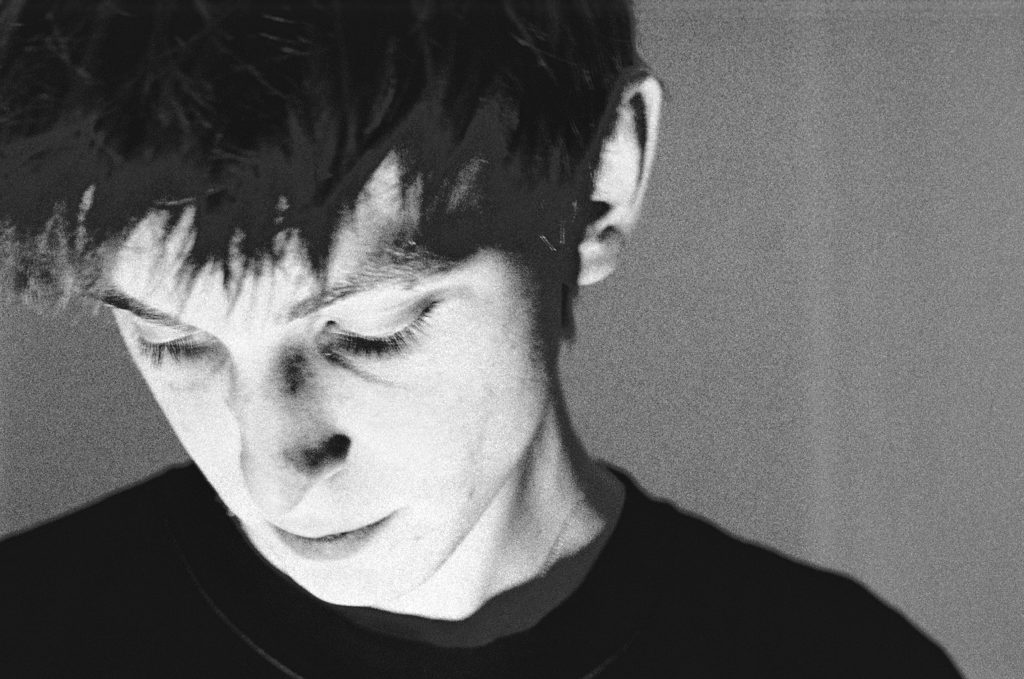
Henry Coke is an Artist and Producer from London. Born into a lineage of vicars and church leaders, Henry drifted from the religious constraints of the church to tackle meanings of faith and God out in the open, though his sacred musical upbringing continues to influence his songwriting. Choral music and huge cathedral-reverb vocal harmonies dominate the backing vocals of almost every song, while Coke’s delivery echoes the emotional phrase repetition found in congregations singing worship music.
His songwriting style, however, is in direct opposition to the disingenuous nature of some modern-day worship songs. Instead, he finds the God that he’s lost in the secular music of Sufjan Stevens, Bob Dylan, Young Fathers and Low. Coke follows themes of faith (losing, rejecting, questioning), the desire and desperation to feel faith in something, following a trajectory of a battle with faith into the unknown, some days believing, some days not, the wrestling with the grief of the death of your own beliefs, coming to terms with the limitations of a full understanding of the nature of God, and the challenges of being at peace with that which feels impossible.
Coke is self-produced, his production as important to him as his songwriting. Meticulously blending and moulding sounds that convey the imagery of the lyrics, he likes to imagine the music trying to escape from the limitations of whichever system or device it’s being heard on. Instrumentation exists on the border of clarity and distortion, and at times can sound so huge that it feels otherworldly. This production style leaks into his live setting too: Cokes forces his band’s output through a four-track cassette tape machine, shards of sound fracturing at high volumes, emulating the evocative reach-for-escape of his studio recordings.
Beyond music, Coke finds inspiration and purpose in literature, film and television, with his imagination illuminated by by Rainer Maria Rilke’s poetry, the cinematic surrealism of David Lynch, Philip Ridley’s myriad avenues of storytelling, the unsettling grace of Flannery O’Connor, and the intricate narratives of Donna Tartt. His music – particularly his lyrics – explores the temporal possibilities of narrative, whether in the brevity of a few lines or in forms that stretch beyond the length of a song.